1. What Changes After 45 — and Why It Matters
- Skin thins and holds moisture less well, so it's more reactive to heat and more prone to pigmentation changes if it's sun-exposed going in.
- Hair growth cycles slow down. That usually means sessions are spaced differently, and it can take more rounds to see the same result you'd get in your 20s or 30s.
- Hormonal shifts (perimenopause, menopause, thyroid changes) can trigger new hair growth in areas that weren't a problem before — chin, jawline, upper lip.
- Sun damage accumulated over decades raises the risk of hyperpigmentation, so sun protection before and after treatment isn't optional.
2. Before Your Visit: The Checklist
4 Weeks Out
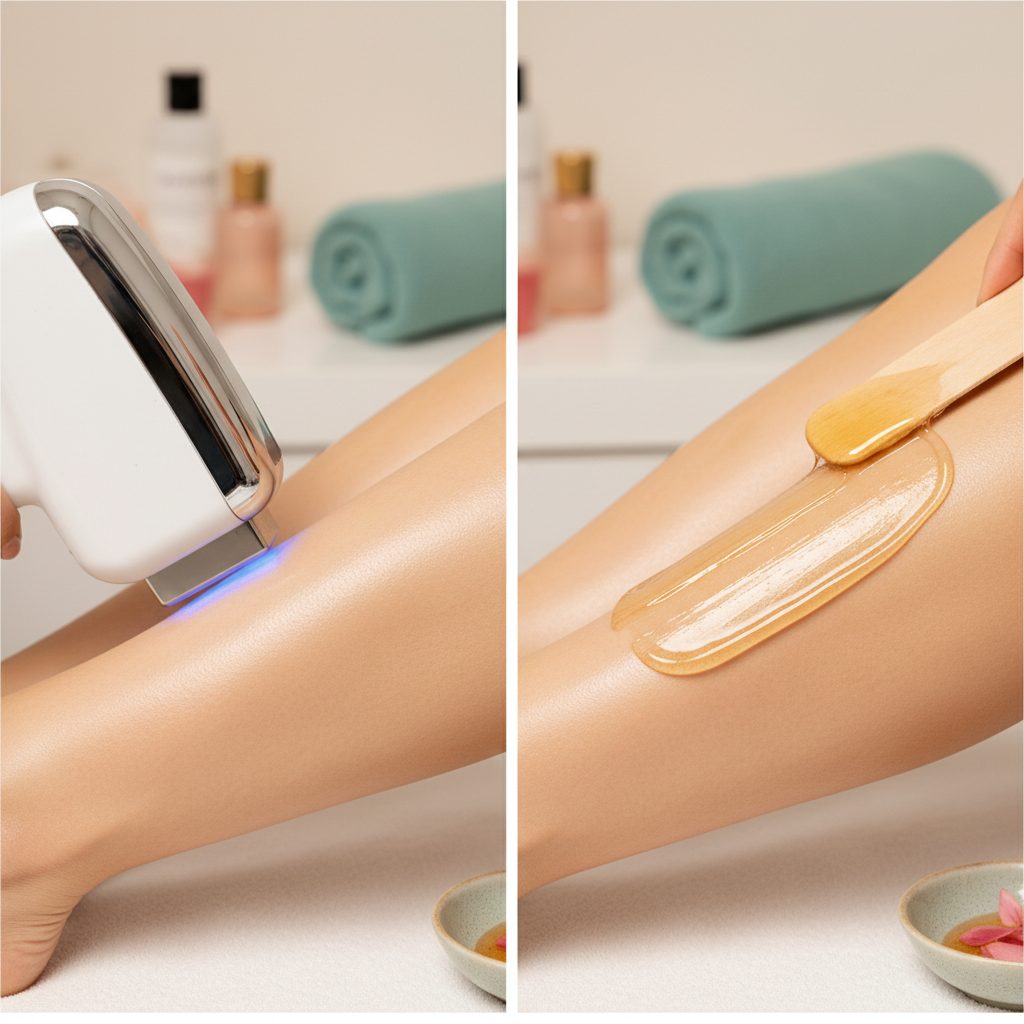
- No waxing, plucking, or depilatory creams on the treatment area — laser needs the hair root intact.
- If you're on a retinoid, retinol, or a photosensitizing medication, ask your provider whether to pause it before treatment.
The Day Before
- Shave the treatment area — clean, close, no nicks.
- Skip self-tanner, spray tans, and sun exposure on that skin.
Ongoing
- Wear SPF 30+ daily on the treatment area, even under clothing, starting now.
- If you're on blood thinners or have a history of keloid scarring, mention it at booking — not at the appointment.
3. What to Expect in the Chair
- Plan on more sessions than you might expect — slower hair cycles after 45 mean the math is different, and that's normal, not a sign anything went wrong.
- A warm, prickling sensation is typical. Cooling is used throughout to keep it comfortable.
- Mild redness or puffiness right after treatment is expected and usually settles within a few hours.
4. Aftercare That Actually Matters
- For 24–48 hours: skip hot showers, saunas, steam rooms, intense workouts, and anything that traps heat and sweat against the treated skin.
- Moisturize with a fragrance-free lotion — skin barrier support matters more as skin thins with age.
- Keep SPF 30+ on the area for at least several weeks after treatment; thinner, more sun-exposed skin pigments more easily.
- Don't pick at any temporary bumps or scabbing — let it resolve on its own.
- Call the studio if you notice blistering, unusual pain, or redness that doesn't settle after a couple of days.
Ready when you are. This guide covers the essentials, but every client's skin and history is different. Book a consult and we'll build a plan around your skin, your hormones, and your goals — not a generic protocol.